Sokodé
Sokodé
A Kotokoli city at the heart of Togo, Sokodé blends vibrant chieftaincies, centuries-old mosques, a knife festival and textile crafts. Our complete guide.
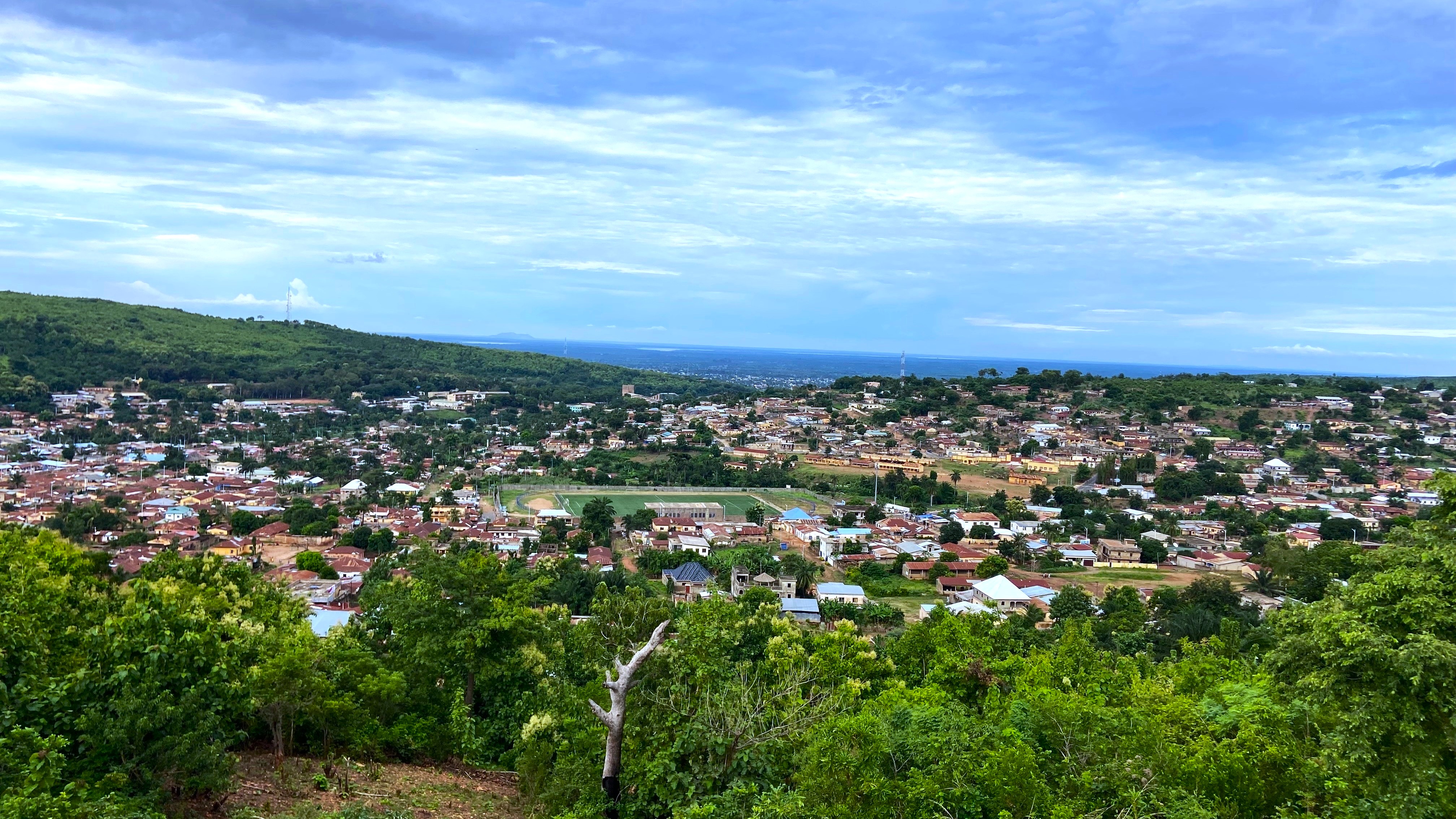
Sokodé is a Togolese city, considered the country's second largest, with a population of approximately 113,000 inhabitants. Located in the heart of the country, midway between the tropical climate of the coast and the dry Sahel climate, it is the city of the Kotokoli, named after the majority ethnic group, and serves as the capital of the Central region and Tchaoudjo prefecture. It is a city of multiple ethnicities and religions, dominated by Islam.
History
The region's indigenous roots were initially blended with Gourma immigrants from the eastern part of the Niger Bend, between Ouagadougou and Niamey, who brought political organization through chieftaincies. To this structure, Sudanese merchants and artisans (the Mandingues, originally from historic Mali) and Hausas added, from the 16th century onward, a decisive dynamic element that would seal the city's success: Islam, and with it, a knack for commerce and trade relations.
The city thus developed in the precolonial era as a trading hub on the cola route between Ghana and Benin, and today remains a mandatory passage point on Togo's only north-south highway axis, connecting the capital Lomé to Burkina Faso. Its urbanization accelerated during colonization. The city is composed of former villages that have become true urban neighborhoods today. Its growth was also driven by entire villages drawing closer to the city, as well as inter-urban migration.
Sokodé Today
Sokodé is still managed jointly by the Municipality and traditional customary chiefs. Historically, the chieftaincies of the various villages were encompassed within a supreme chieftaincy, that of Tchaoudjo. With each change of reign, the new sovereign had to be chosen, in turn, from another locality (always among the constituent villages, numbering seven in total). The Daro of Tchalo, a village south of Sokodé, were responsible for selecting new chiefs. The Muslims of Didaouré remained apart from this political structure, while enjoying broad autonomy, under the leadership of a chief of Muslims (malwa-uro), assisted by two women: Nana Gnô and Kpegna, respectively the Chief's mother and the person in charge of women's affairs, both always drawn from the Touré patronymic group—and reporting directly to the supreme chief. Today, it is the chief of Komah who holds the supreme role (regency).
Climate
Located at an average altitude of 340 meters, midway between the ocean and the Sahel belt, Sokodé enjoys a transitional climate. It has a tropical climate with two well-defined seasons: the rainy season, from April to October, peaking July through September, and the dry season, from November to March. Annual rainfall ranges between 1,200 and 1,500 mm, with 100 to 130 rainy days per year. The average temperature is 26°C (1961–1990). Evaporation is high, estimated at 1,500 mm/year, and is particularly pronounced during the harmattan period, from November to January. Humidity levels are highly variable and depend on all the aforementioned factors.
To reach Sokodé, you can take a taxi from Lomé or use one of the public transport companies serving the city.
What to Do in Sokodé?
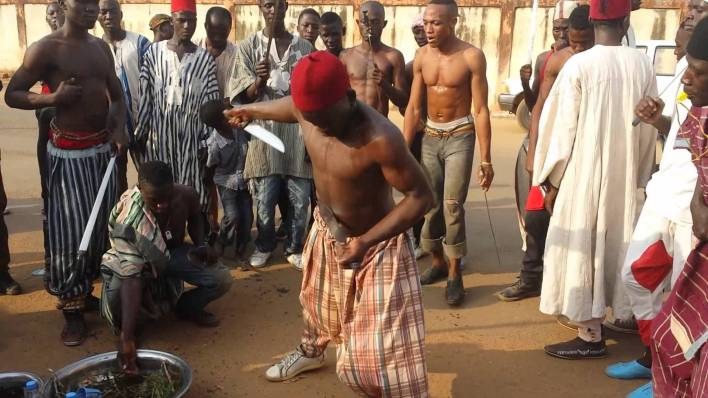
Life revolves around traditional chieftaincies that remain in authority today. Local music and dances are found nowhere else in Togo. During the knife festival, the streets fill with traditional music and dance.
The region is also rich in crafts, with weaving being one of the principal activities.
Finally, the region boasts vibrant markets such as those in Tchamba and Sokodé.
The Fazao-Malfakassa reserve offers outstanding biodiversity.
Want to discover this destination?
Our local advisors design your tailor-made trip.