Lomé, Capital of Togo
Lomé, Capital of Togo
Atlantic capital of Togo, Lomé blends voodoo markets, German heritage, and beaches lined with coconut palms. A complete guide to planning your stay.
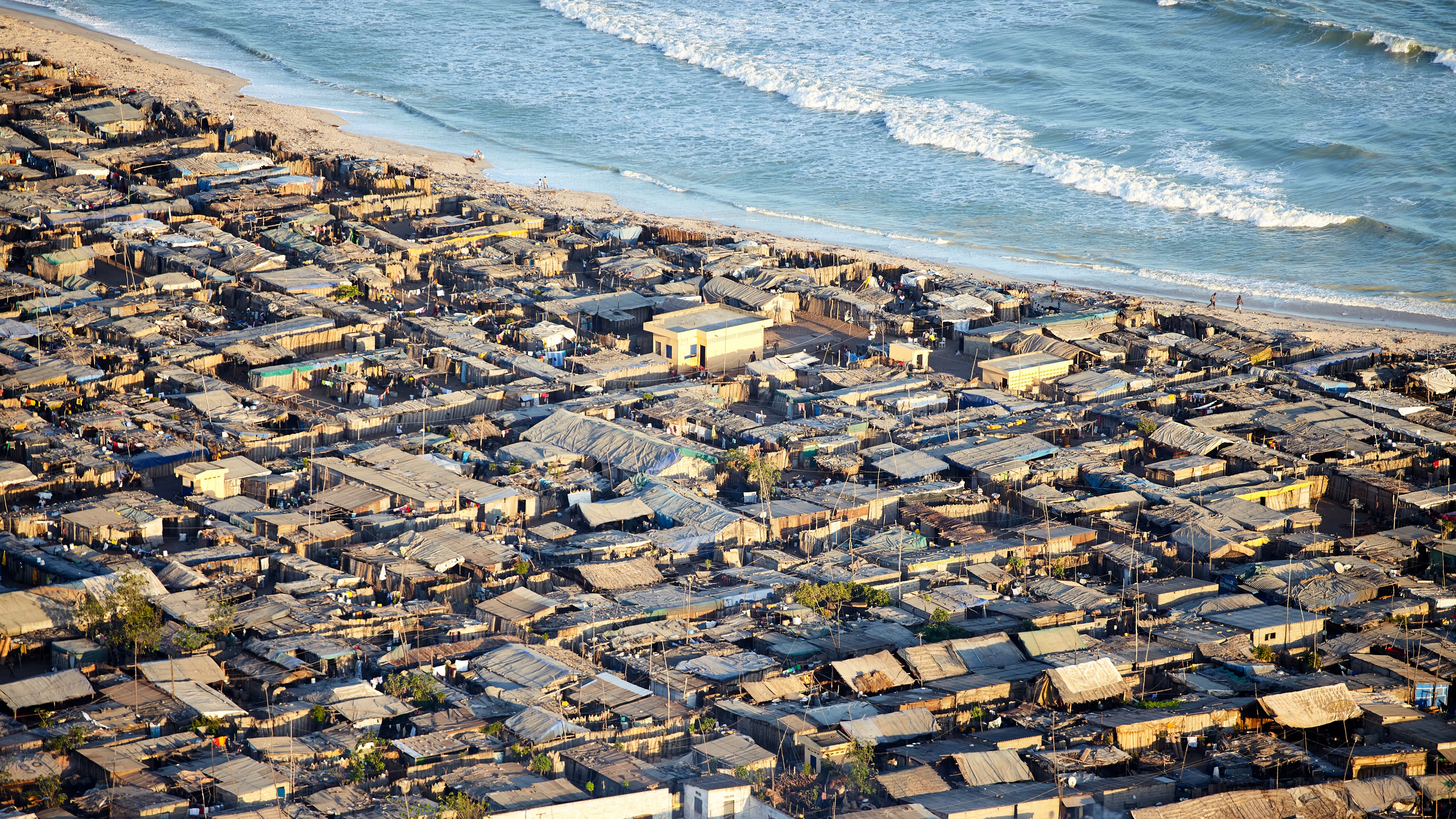
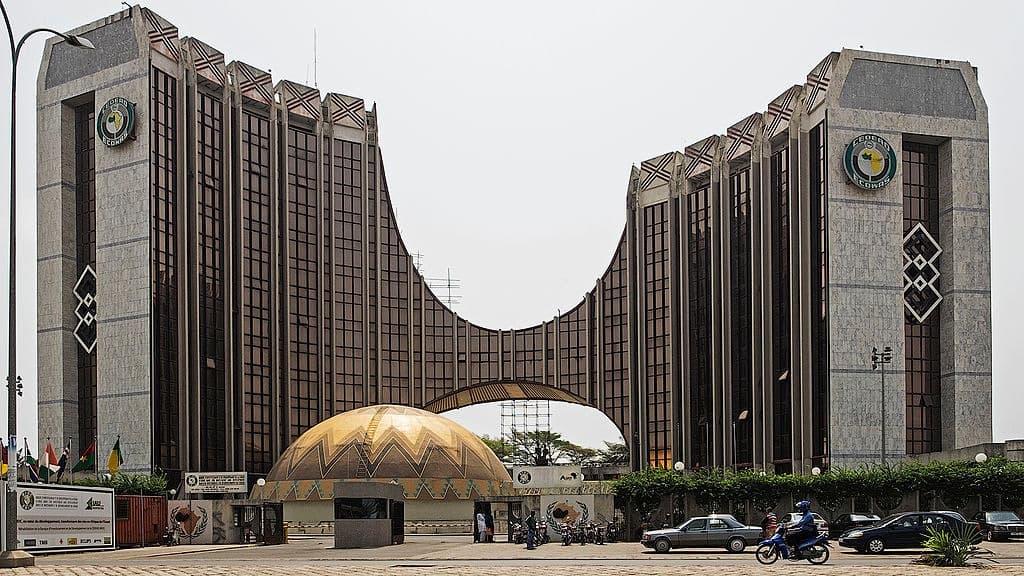
The capital Lomé is located in the far southwestern corner of Togo, stretching along the coastline. Lomé is neither a "colonial" city built and established by colonial powers, nor a "traditional" town whose village roots remain embedded in its urban structures and processes. Lomé interweaves tradition with animism and modernity, exemplified by luxury hotels and banking buildings.
History
The city was founded by the Ewe people in the 18th century. Its name comes from Alotimé, which in Ewe means "among the alo plants" (alo is a tree whose trunk remains the primary source of toothpicks in southern Togo today). The hunter Dzitri, who was the city's founder, had settled within these trees that once dominated Lomé's historic site. By the late 19th century, British customs duties weighed heavily on imported goods, such as alcohol and tobacco.
Merchants from the region between Aflao and Keta, west of the border (that is, the maritime Ewes, or Anlo), thus needed a place to unload merchandise beyond the reach of Her Majesty's customs officers. It was therefore in an effort to escape British taxes that Lomé was born around 1880. The previously sparsely populated coastline quickly began to populate.
The Ewes were rapidly joined by European companies, particularly British and especially German, as well as itinerant merchants from inland areas, such as Hausa caravans traveling the cola trade routes.
Many people were attracted to the new economic hub that Lomé represented. The city's rapid growth was further strengthened, and Lomé quickly gained a reputation as a place where good business was done.
Today
Lomé is a truly African city in the sense that all styles, influences, and traditions blend together. Alternating between past, present, and future, Lomé is a melting pot, a crossroads where everything meets, everything transforms, and everything evolves at an incredible pace.
You'll find the red of the earth, the asphalt of wide avenues and plazas, the green of gardens, and the multiple colors of houses.
The city is home to a public university, the University of Lomé, and private universities, such as the University of Science and Technology of Togo and a campus of the Catholic University of West Africa.
Languages Spoken
Lomé is a cosmopolitan capital where numerous languages and dialects are spoken. However, there is a lingua franca: Mina. The official language spoken in the metropolitan area is French.
Climate
The city's tropical climate experiences two rainy seasons, with the main one beginning in April and ending around July, and the secondary, less significant season starting in early September and ending in late November.
The heat is constant, with average maximum temperatures around 30°C in the afternoon and average minimum temperatures of 23°C in the morning. At the beginning of the year, the harmattan sometimes blows—a dry wind from the Sahara that can lower Lomé's temperature to 19°C in the morning.
Lomé is also largely influenced by the ocean. Thus, it's commonly said that the climate here is a tropical climate tempered by the ocean. The heat is stable, without excessive peaks, and the breeze from the sea makes it quite pleasant.
For urban transportation, there are a few taxis, but motorcycle taxis (the zémidjans) are the most commonly used.
The completion of a Lomé–Cotonou rail link, as part of a rail loop project (Lomé–Cotonou–Niamey–Ouagadougou–Abidjan), is expected in 2024. Lomé–Tokoin International Airport, also named Gnassingbé–Eyadema, is located five kilometers northeast of the city center.
Tourist Attractions in Lomé
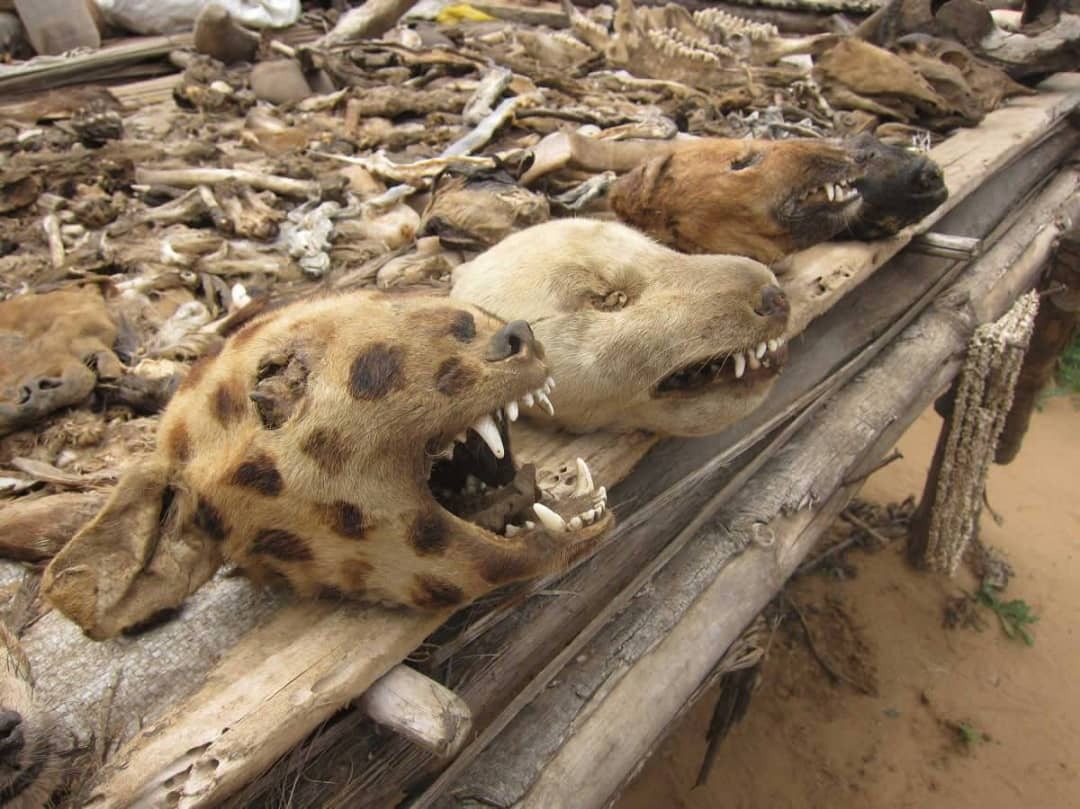
Lomé is renowned for its Atlantic coastline lined with palm trees. The Independence Monument, in the city center, stands in the middle of a landscaped roundabout. The Palace of Congresses, located nearby, houses the national museum, which contains jewels, masks, musical instruments, and pottery from West Africa. To the northeast, the Akodésséwa fetish market offers voodoo objects, such as animal skins and skulls.
Want to discover this destination?
Our local advisors design your tailor-made trip.