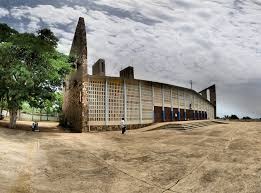
Agamé
Agamé, in the Savanna region of northern Togo, reveals mud-brick villages, lively weekly markets, and Moba craftsmanship set within an authentic wooded savanna landscape.
Agamé designates a plateau and cultural zone in northern Togo, within the Savanna region, inhabited primarily by the Moba and Gourma peoples. This wooded savanna territory, dotted with mud-brick villages and millet granaries, offers a rare glimpse of Sahelian vernacular architecture and rural traditions. It is a destination for curious travelers, far from the country's conventional tourist circuits.
What to See
The landscape alternates between savanna plains, rocky outcrops, and villages of round huts with thatched roofs. Weekly local markets bring together craftspeople, herders, and farmers in authentic vibrancy. Traditional crafts—basket weaving, pottery, leather work—remain alive in several villages throughout the area.
History and Context
Agamé is historically linked to the kingdoms and chiefdoms of northern Togo, with influences from neighboring Burkina Faso. The region long served as a passage and exchange zone between Sahel peoples and those of the Guinean savannas. Oral traditions, agrarian rituals, and initiation ceremonies still structure the social life of Moba communities.
Highlights of a Visit
Mud-Brick Villages
Traditional dwellings of rammed earth, with thick walls and decorated granaries, constitute the characteristic architecture of the zone. Some villages preserve nearly intact built ensembles, bearing witness to constructive know-how adapted to the semi-arid climate.
Rural Markets
Periodic markets form the economic and social heart of Agamé. Here you will find millet, sorghum, livestock, and local artisanal products. Arriving early in the morning allows you to observe the liveliness in full swing before the day's heat.
Moba Craftsmanship
Basket weaving and pottery produced in the region feature geometric patterns specific to Moba traditions. A handful of artisans still work according to techniques passed down through generations.
Photography Tips
The golden light of morning and late afternoon enhances the textures of ochre earth and thatched roofs. Always ask permission before photographing people or ceremonies. Market days offer the liveliest scenes.
Location and Access
Agamé lies in the Savanna region of northern Togo, near Dapaong, the regional capital and main entry point. The national highway connecting Lomé to Dapaong crosses this zone. A 4x4 vehicle is recommended to reach the most remote villages, particularly during the rainy season. Public transport (buses and bush taxis) serve Dapaong from Lomé.
Nearby
- Dapaong — the main city of northern Togo and logistical departure point for exploring the Savanna region.
- Oti-Kéran National Park — a nature reserve in northern Togo hosting Sahelian wildlife (hippotragus, warthogs, birds).
- Nadoba — a village renowned for its cone-shaped huts, traditional architecture characteristic of northern Togo.
Frequently asked questions
The dry season, from November to March, is most favorable: tracks are passable, mornings are pleasantly warm, and markets are bustling. Avoid July-August when rains make some tracks difficult to access.
A local guide is highly recommended. They facilitate village access, ensure cultural mediation, and help prevent misunderstandings during site or ceremony visits.
Choose clothing that covers shoulders and knees, in respect of local customs. Light cotton garments are well-suited to the heat of northern Togo.
Yes, the two destinations are close and complementary. Plan at least two days to combine cultural exploration in Agamé with wildlife observation in the park.
Lodging options in Agamé itself are very limited. Dapaong has a few simple inns and hotels that serve as a base for exploring the area.
Want to discover this destination?
Our local advisors design your tailor-made trip.