Atakpamé
Atakpamé
Capital of Togo's Plateaux, Atakpamé blends Tchébé stilt dancers, a celebrated yam festival, and the hippopotamuses of Nangbéto. An authentic stopover between Lomé and the north.
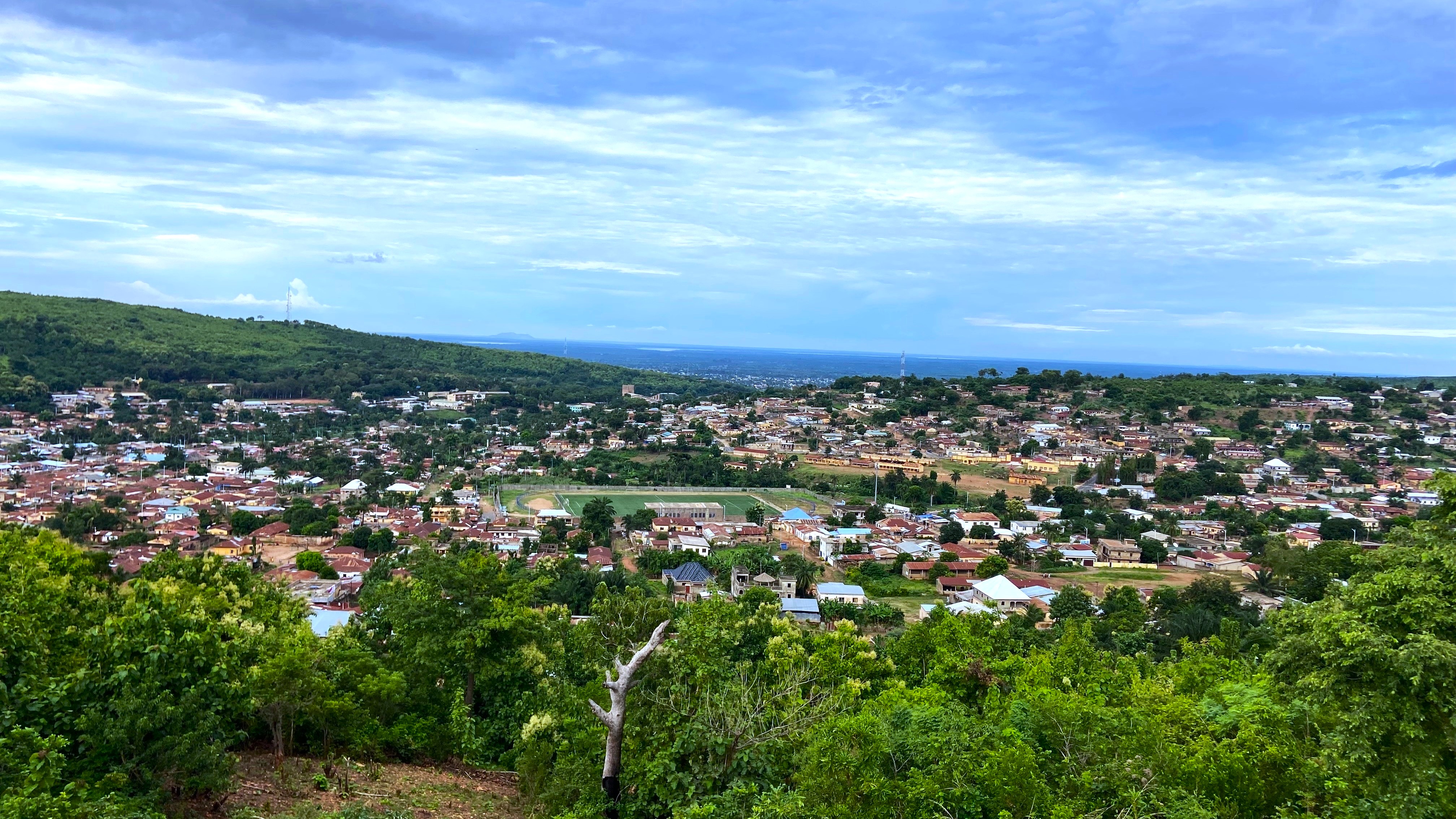
Atakpamé is a city in Togo, the fifth largest by population after Lomé, Sokodé, Kara, and Kpalimé. It serves as the capital of the Plateaux region and lies 160 kilometers from Lomé. The city is also the administrative center of Ogou Prefecture. In Togo's history, Atakpamé has played the role of a refuge city. The city enjoys excellent road connectivity, situated as it is on Togo's main highway corridor, which runs from the ocean inland to the Sahel countries.
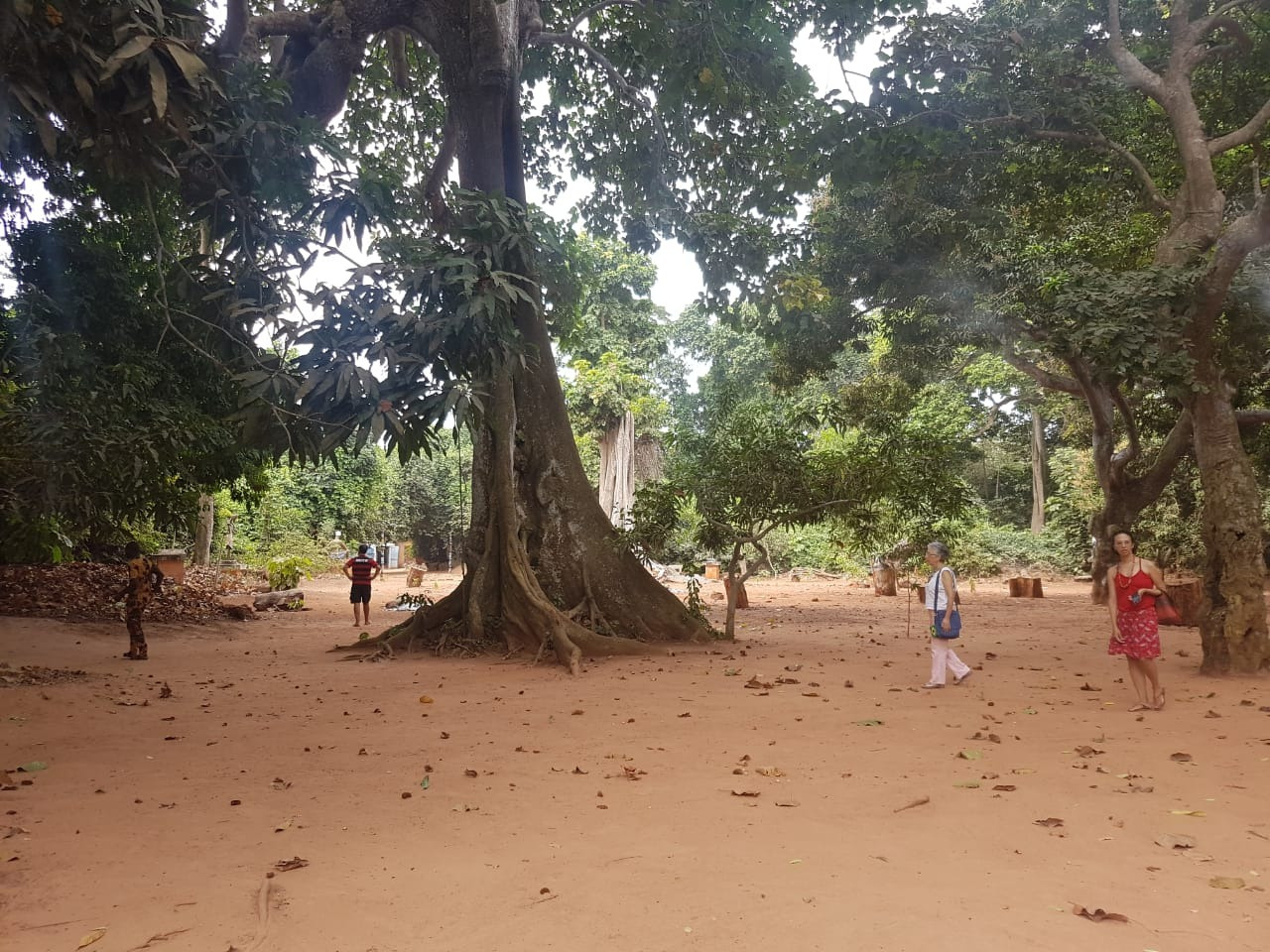
The city sits within a region of abundant forests (teak, banana, iroko, African cherry, mahogany, and rosewood), yet also within intensively cultivated lands (cocoa, coffee, cotton, and oil palm plantations).
Historically, Atakpamé was a mountainous refuge. Later, during German colonial rule, the city became an agricultural and administrative hub.
Today
Atakpamé remains a major agricultural center. It is also an important production hub; the city hosts a significant textile factory.
Cultural Events
Several traditional dances thrive in Atakpamé. Among them is the Tchébé dance, a stilt dance of remarkable artistry. With stilts reaching between two and four meters in height and the acrobatic figures performed, the stilt dancers here rank among Africa's most extraordinary. The traditional yam festival, held in late July through early August, offers a prime opportunity to witness this spectacle. Six troupes of stilt dancers perform across Ogou Prefecture—in Atakpamé and five surrounding villages.
Climate
Atakpamé enjoys a tropical climate. Winter brings less rainfall than summer months. The city averages 26.3°C year-round, with annual precipitation reaching approximately 1,294 mm.
What to Do in Atakpamé
The Nangbétose hydroelectric dam sits roughly 45 kilometers away (approximately 45 minutes by rough road) from Atakpamé, across a water body spanning 180 square kilometers. Early morning and late afternoon visits reward you with sightings of hippopotamuses.
Atakpamé's market operates on Wednesdays and Saturdays.
Numerous blacksmiths work throughout the city, employing entirely artisanal techniques and tools passed down through generations.
The yam festival, held the last Saturday of July in Atakpamé, features spiritual and traditional ceremonies honoring the earth as the source of nourishment.
From Lomé to Atakpamé, take the RN1 inter-state highway by private car or shared transport.
Want to discover this destination?
Our local advisors design your tailor-made trip.