Pobé (Benin)
Pobé, in the Plateau department of Benin, is a crossroads city marked by Yoruba culture and lively markets, ideal for authentic immersion away from typical tourist trails.
Pobé is a city in southeastern Benin, in the Plateau department, near the Nigerian border. A commercial and agricultural crossroads, it is known for its bustling markets and its role in Yoruba culture, which deeply permeates this region. The city offers an authentic glimpse into Beninese daily life away from conventional tourist circuits.
What to See
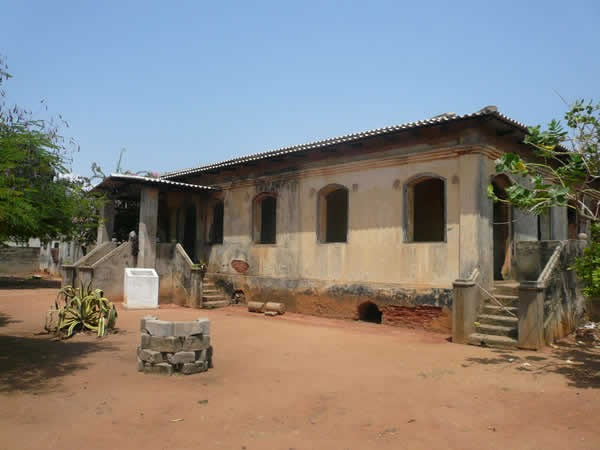
Pobé stands out for its central market, a meeting point between Beninese and Nigerian traders. Exchanges focus on local agricultural products—notably palm oil, cassava, and yams—as well as textiles and crafts. The city's architecture blends modest colonial buildings with traditional Yoruba housing.
History and Context
The Pobé region historically belongs to the Yoruba cultural area, which extends from Nigeria into southeastern Benin. During the French colonial period, the city developed as a local administrative center. Traditional religious practices, including vodoun worship in its Yoruba forms, coexist with Christianity and Islam throughout the city.
Highlights of Your Visit
Pobé Market
The market is the living heart of the city. On market days, stalls overflow with local produce and the atmosphere is particularly intense. It's the ideal place to observe cross-border trade exchanges and taste regional culinary specialties.
The Agricultural Landscape
The surroundings of Pobé are marked by palm groves and food crops characteristic of the Beninese plateau. A walk outside the city allows you to observe this rural landscape and meet local farmers.
Photography Tips
Morning light is favorable for photographing the market before crowds become too dense. Always ask permission before photographing people, especially in markets. Trade scenes and colorful stalls offer beautiful compositions.
Location and Access
Pobé is located in the Plateau department, east of Porto-Novo. The city is accessible from Porto-Novo by national highway. Bush taxis and minibuses provide connections from Porto-Novo and Cotonou. The Nigerian border is nearby, which gives the city its particular commercial vitality.
Nearby
- Porto-Novo — the administrative capital of Benin, with its museums and colonial and Afro-Brazilian architecture.
- Kétou — a historic Yoruba city in Benin, known for its traditions and royal palace.
- Cotonou — Benin's main economic city and entry point for most travelers.
Frequently asked questions
The dry season, from November to March, offers the most comfortable conditions for getting around. Roads are passable and heat remains manageable in early morning hours.
Bush taxis and minibuses depart regularly from Cotonou and Porto-Novo bus stations heading to Pobé. The route passes through Porto-Novo.
Yes. Pobé naturally combines with Porto-Novo and Kétou for a circuit in southeastern Benin focused on Yoruba culture and regional history.
As everywhere in Benin, respectful conduct is expected, particularly during traditional ceremonies or near places of worship. Always ask permission before photographing people.
Half a day is sufficient to explore the market and city center. A full day allows you to discover the surrounding agricultural areas and soak in the local atmosphere.
Want to discover this destination?
Our local advisors design your tailor-made trip.