Evala
Evala
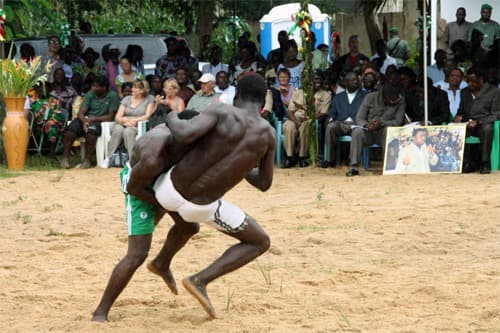
Evala is the initiatory wrestling ceremony of young Kabye men, held annually in Kara, in northern Togo. A major rite of passage, determined by the oracles.
Evala is a ceremony of traditional wrestling whose purpose is to throw your opponent to the ground. It takes place each year in Kara, in northern Togo, and constitutes the first initiation into manhood for Kabye adolescents.
Why attend Evala
Evala extends far beyond a sporting tournament. For the Kabye people, these wrestling matches represent a foundational rite of passage, structuring the social and religious calendar of an entire region. Attending allows you to grasp how a West African society continues to articulate generational transmission, the authority of elders, and ritual practices even today.
The event brings together thousands of spectators from across the country over several days—the Togolese diaspora returns in large numbers for the occasion. The atmosphere combines community fervor, chanting, percussion, and the intensity of the matches themselves, with no staging for visitors.
History and significance
Evala is the very first initiation into manhood for a Kabye adolescent. Before being subjected to these rites, young men are prepared psychologically and physically for a long time. In Kabye country, a young man who shirks this initiation faces reprisals from the elders, his parents, and society as a whole: he is in a sense excluded from the community.
The primary purpose of this ordeal is to accustom the young man to endurance, courage, and stoicism. The cultural aspect of the event is heightened by the sacrifices the adolescent must undertake: fasting, sexual abstinence, and scarification marks that are the outward signs of the warrior.
The presence of community elders ensures the sacred dimension of the tournament. They oversee compliance with regulations, direct and referee the matches. The dates on which the ceremonies are held are determined by oracle consultation, followed by authorization from the high priest called Tchodjo. After the wrestling, traditional priests make rounds of sacred sites to thank the ancestors for allowing the ceremony to take place.
What you'll see on the ground
The matches pit teams of 5 young men against each other, usually in their twenties, selected by village or neighborhood. Each bout ends with the victory of one team or a tie at the end of the allotted time. The techniques remain loosely codified compared to modern sporting wrestling: it is primarily about grappling with the opponent and throwing them to the ground.
No final ranking is established at the end of the tournament: only the courageous behavior of the wrestlers remains. This absence of a podium underscores the initiatory rather than competitive dimension of the event.
Beyond the arenas, you'll observe:
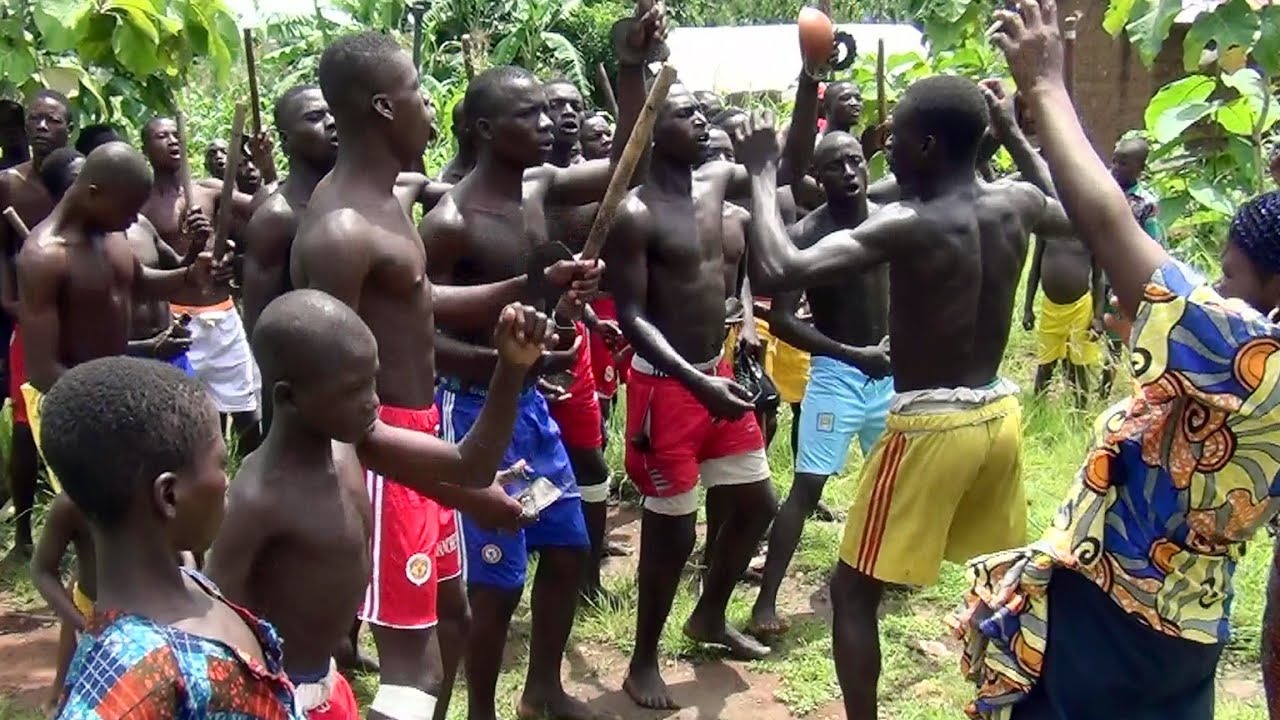
- processions of initiates, painted and adorned according to traditional codes;
- songs and dances of families supporting their wrestlers;
- rituals conducted by priests before and after the matches;
- the life of surrounding villages, in a state of fervor for the duration of the festival.
When to attend
Evala takes place each year around July, during the rainy season in Kabye country. The exact dates are determined by the oracles and the high priest Tchodjo: you should inquire locally a few weeks in advance. The festival spans approximately one week, including preparatory phases, the main matches, and closing rituals.
Practical information
- Recommended stay duration: 2 to 4 days to experience several phases of the festival, without necessarily attending every day of wrestling.
- Accommodation: Kara has most of the hotels and guesthouses. Book several weeks in advance, as crowds are very heavy during Evala.
- Dress code: proper attire required, especially around ritual sites. Avoid ostentatious clothing.
- Photography: always ask permission, particularly for rituals and initiates.
- Respect: certain areas are off-limits to non-initiates. Follow the guidance of local escorts.
How to get to Kara
Kara is located approximately 420 km north of Lomé, Togo's capital. Several access options:
- Road: National Highway 1 connects Lomé to Kara in 7 to 9 hours depending on traffic, by car or long-distance bus.
- Air: a regional airport serves Kara, with occasional flights from Lomé. Check the schedule on a case-by-case basis.
- On-site: motorbike taxis and shared taxis allow you to reach the surrounding Kabye villages where certain phases of the festival take place.
What to see in the area
The Kara region and Kabye country offer several cultural and natural extensions:
- Kara and its markets, the starting point for any exploration of the north;
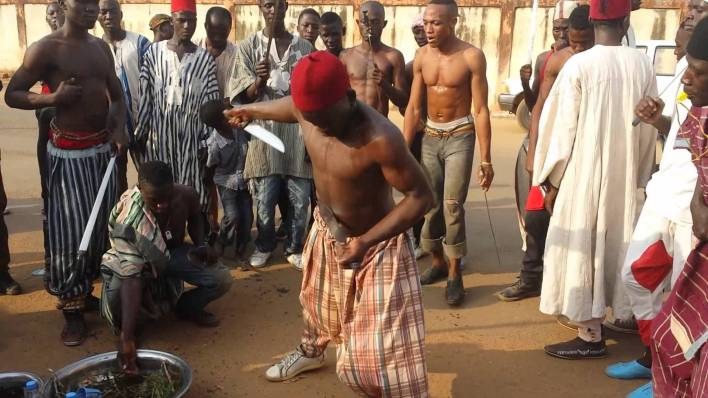
- the Knife Dance, another emblematic rite of northern Togo;
- the fetish market, to understand the place of voodoo and traditional cults in Togo;
- the Wome waterfalls, to combine with a return toward the south.
Frequently asked questions
Including Evala in a trip to Togo
Attending Evala naturally fits into an itinerary combining the initiatory north and the voodoo south of the country. To build a tailor-made itinerary incorporating Kara and other major cultural highlights, consult our trips to Togo.
Interested in this visit?
We can include it in your personalised itinerary.