Timeline of Togo's History
Togo's history began with migrations of peoples seeking more welcoming and safer lands. Among the earliest settlers were the Kabyé and Lamba peoples, who arrived from the north between the 7th and 12th centuries alongside the Tamberma, Akposso, and Bassar tribes.
Togo's history began with migrations of peoples seeking more welcoming and safer lands. Among the earliest settlers were the Kabyé and Lamba peoples, who arrived from the north between the 7th and 12th centuries alongside the Tamberma, Akposso, and Bassar tribes.
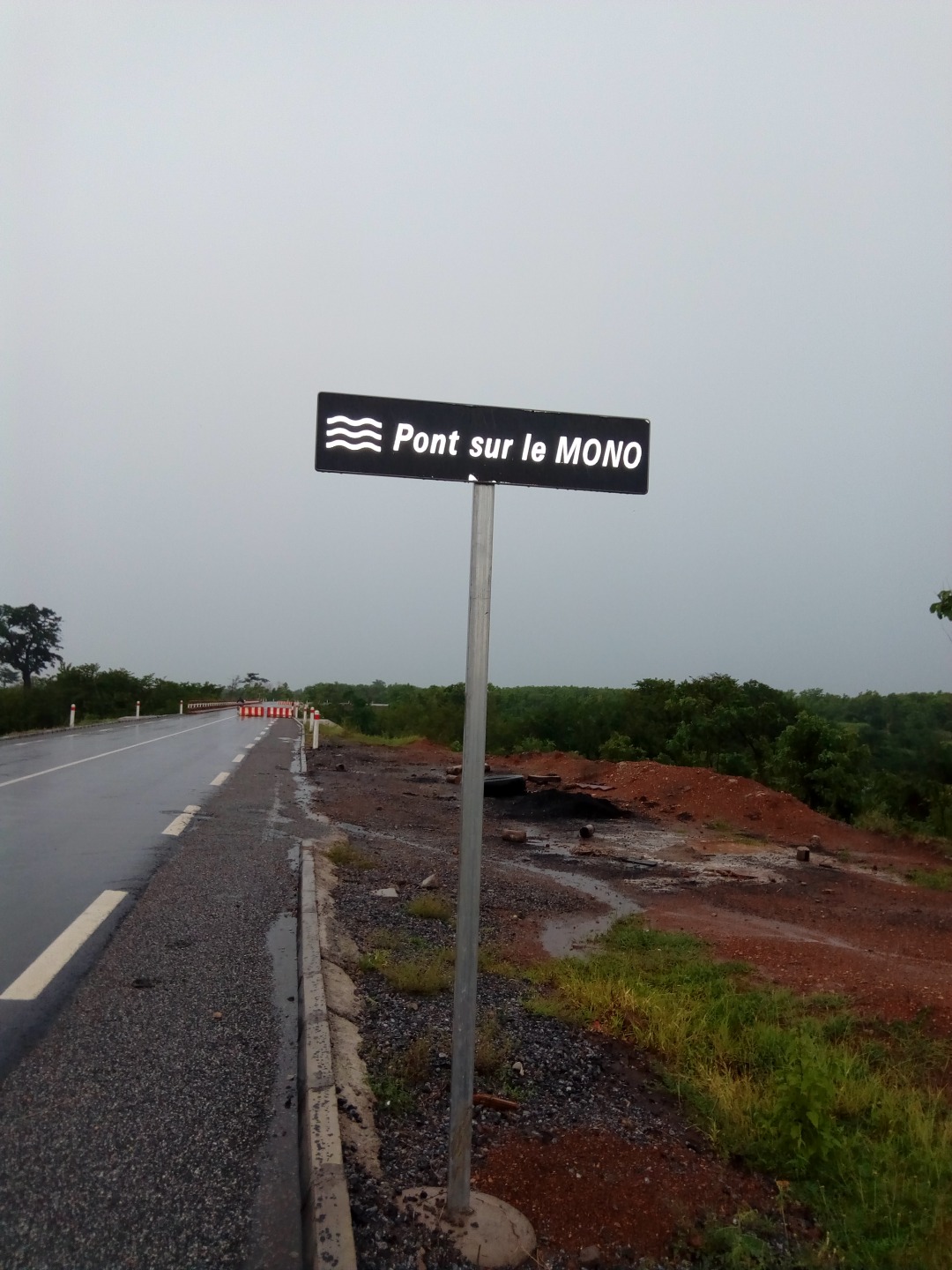
The Ewe, one of Togo's largest ethnic groups, came from south-western Nigeria and first established themselves in the Mono valley, which became an important trading and agricultural hub in the 16th century. From there, the Ewe gradually moved toward the Notsé region, then to Kpalimé, eventually reaching the coast and what is now Ghana. Other groups followed suit. The Guins arrived in the 17th century from present-day Ghana.
The Tchokossi arrived around the same period from the Côte d'Ivoire region, while the Mobas came from the Sahel zone in Burkina Faso.
The "Brazilians," as they were called, engaged themselves in the slave trade with Europe and Brazil, importing tobacco and rum from Brazil in return. Over time, Europeans established trading posts along the coast, but it was not until 1884 that they acquired the foothold that would lead to colonization.
That year, German diplomat Gustav Nachtigal arrived in a small village called Togo, on the shores of a lake (now Lake Togo) north of the beach. He signed a treaty with the traditional chief, Mlapa, granting Germany commercial rights in the region—a move that quickly led to the creation of German Togo. The name of the small village on the lake became that of the entire region, and the village was renamed Togoville.
Aného became the capital of German Togo in 1887, and by the end of the 19th century German control extended northward to Sokodé. In 1887, the Germans relocated the capital to Lomé on the coast. Under German rule, Togo became Germany's "model colony" in Africa, built on the establishment of plantations and the export of foodstuffs and palm oil.
To facilitate this trade, the Germans constructed three railway lines: the copra line to Aného, the coffee and cocoa line to Kpalimé, and the cotton line to Blitta (in the country's interior). All terminals converged at Lomé's wharf, which was completed in 1904.
The Germans built a major base at Kamina, a city located 180 km north of Lomé. Equipped with an airport and a powerful transmitter station, Kamina served as a crucial link between Berlin, Togo, and the German fleet.
The model colony met a brutal end at the outbreak of World War I. Through a combined operation, British and French forces encircled the German colony. Outnumbered, the Germans abandoned Lomé to focus their defense on their Kamina base.
After two weeks of resistance, German troops were forced to abandon their base. Thus ended German colonization on August 26, 1914.
The United Kingdom occupied the city of Lomé until 1919. At war's end, France received a League of Nations mandate over two-thirds of the territory to the east, while the United Kingdom received the remainder. This de facto partition of the territory resulted in two separate protectorates.
Following World War II, the League of Nations mandate was transferred to the newly created United Nations, which insisted that the two protectorates transition toward autonomy.
In 1956, the territory under British administration voted to join the Gold Coast, which would become Ghana after its independence in 1957.
Meanwhile, the territory under French administration voted in 1957 to establish an autonomous Togolese government within the French Union.
Then came the ballot of April 27, 1958, which opened the path to independence in 1960.